Hiking Appalachia
Ancient mountains, quiet trails, and the deep history of southern West Virginia.
A Local’s Perspective
I grew up in southern West Virginia. My family comes from coal mining — not as history but as the actual fabric of daily life. The coal camps, the company stores, the way an industry shapes a place and its people over generations: I didn’t study these things. I grew up inside them.
When we walk the Kaymoor Miners Trail or pass through a hollow where a company town used to stand, I can speak to that from the inside. The culture and history of Appalachia aren’t subjects I’ve researched — they’re where I’m from. That’s a perspective no guidebook can give you.
New River Gorge National Park
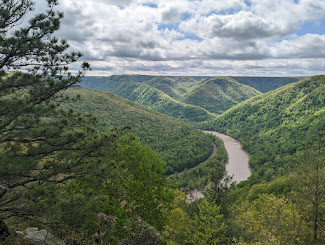
One of America’s newest national parks and one of Appalachia’s oldest landscapes. The New River - despite its name, one of the oldest rivers in the world - has carved a dramatic gorge through the mountains of southern West Virginia. This is where we do most of our guiding. Learn more at the National Park Service.
Endless Wall Trail
A rim-top trail tracing the edge of one of the most dramatic gorges in the East. Sandstone cliffs drop hundreds of feet to the New River below, framed by hemlocks and hardwoods. We stop often to take in the overlooks, study the rock formations, and watch climbers on the wall faces far below. The trail is mostly flat with a few stone steps, making it accessible for most hikers.
Long Point Trail
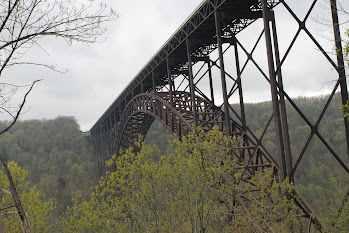
A wooded walk that opens to one of the most iconic views in West Virginia - the New River Gorge Bridge spanning the canyon from a jutting sandstone point. The trail winds through quiet second-growth forest full of wildflowers in spring and rich color in autumn. The payoff at the end is one of the most photographed views in the state.
Kaymoor Miners Trail
This trail descends over 800 steps to the remnants of a historic coal mining operation on the gorge floor. You’ll pass old coke ovens, mine openings, and equipment slowly being reclaimed by the forest. It’s a powerful walk through the coal mining history that shaped these communities - and a good workout on the way back up.
Castle Rock Trail
A short boardwalk trail leading to a stunning overlook of the gorge. Perfect for visitors with limited mobility or families with young children. Don’t let the short distance fool you - the views here rival any trail in the park.
Grandview Rim Trail
One of the most scenic rim walks in the park, with overlooks perched above the horseshoe bend of the New River. Rhododendron and mountain laurel line the trail, blooming in spectacular displays in late spring. On clear days you can see for miles into the gorge.
Burnwood Loop
A gentle loop through meadows and mixed hardwood forest near the Canyon Rim Visitor Center. Excellent for birding and wildflower identification. This is one of our go-to trails for guests who want a relaxed pace with plenty of time to observe and ask questions.
Monongahela National Forest
Nearly a million acres of high-elevation spruce forest, heath plateaus, and dramatic overlooks across the Allegheny Highlands. Quieter, wilder, and harder to get to than the gorge, and worth the drive. Learn more at the U.S. Forest Service.
Spruce Knob & Whispering Spruce Trail
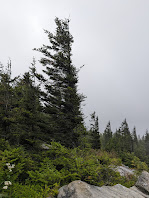
At 4,863 feet, the highest point in West Virginia. The short Whispering Spruce loop circles the summit through wind-shaped red spruce, with sweeping views across the Allegheny Front. A stone observation tower at the top adds a 360-degree perspective. We often pair the loop with longer Spruce Knob area trails for guests who want a fuller day at elevation.
Otter Creek Wilderness
Twenty thousand acres of trail-laced backcountry along the Otter Creek watershed in northern West Virginia. The Otter Creek Trail threads the canyon end to end through hemlock and yellow birch, ferns thick along the stream, and quiet that’s hard to find in the East. We pick a section that fits your day. The full trail runs 11 miles end to end, but shorter out-and-backs are just as worth it.
Cranberry Wilderness
Forty-seven thousand acres of high-elevation red spruce forest, sphagnum bogs, and beaver-built meadows in the southern Mon. The Cranberry is wilder and harder to reach than the more visited corners of the forest, which is exactly the point. Trails like the North-South and Big Beechy carry you into terrain that feels more like northern Canada than West Virginia. Best for guests ready for sparse markings and real backcountry navigation.
Blackwater Falls
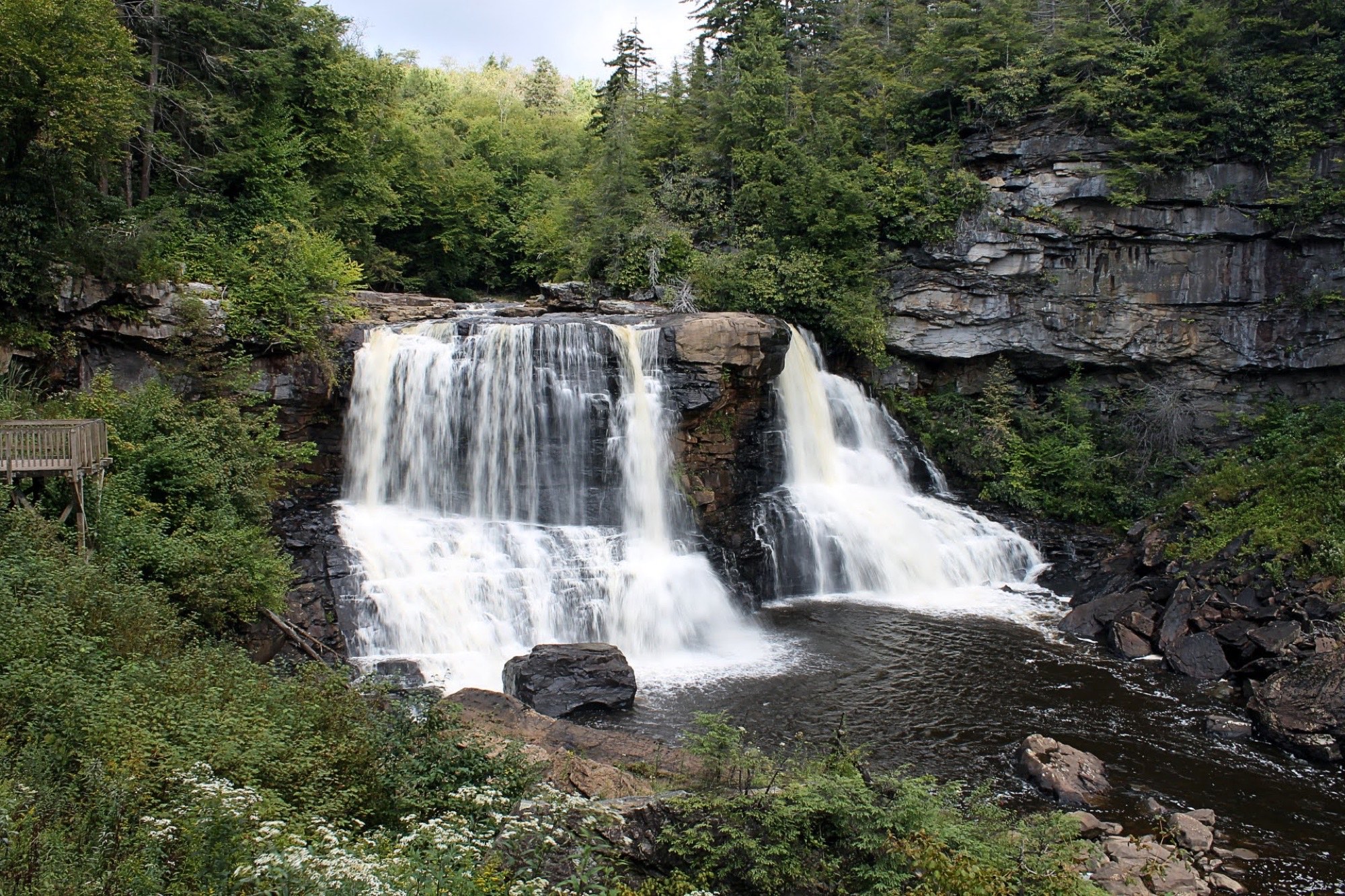
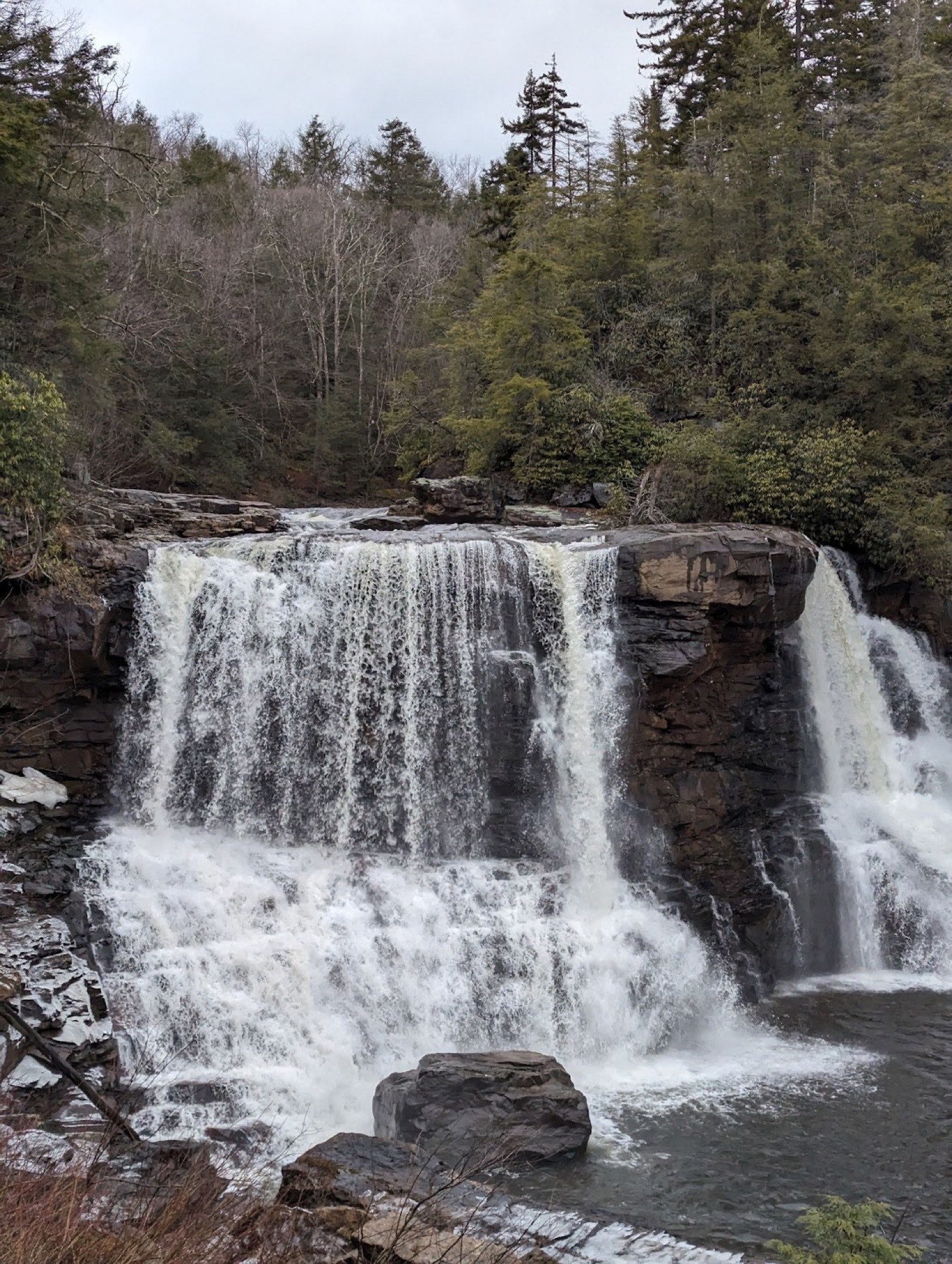
A 57-foot waterfall cascading over a tannin-stained ledge, framed by hemlock and rhododendron, in Blackwater Falls State Park. A short walk down a series of viewing stairways leads to multiple angles of the falls. The amber color of the water comes from spruce and hemlock tannins upstream, a feature, not a flaw.
Lindy Point Trail
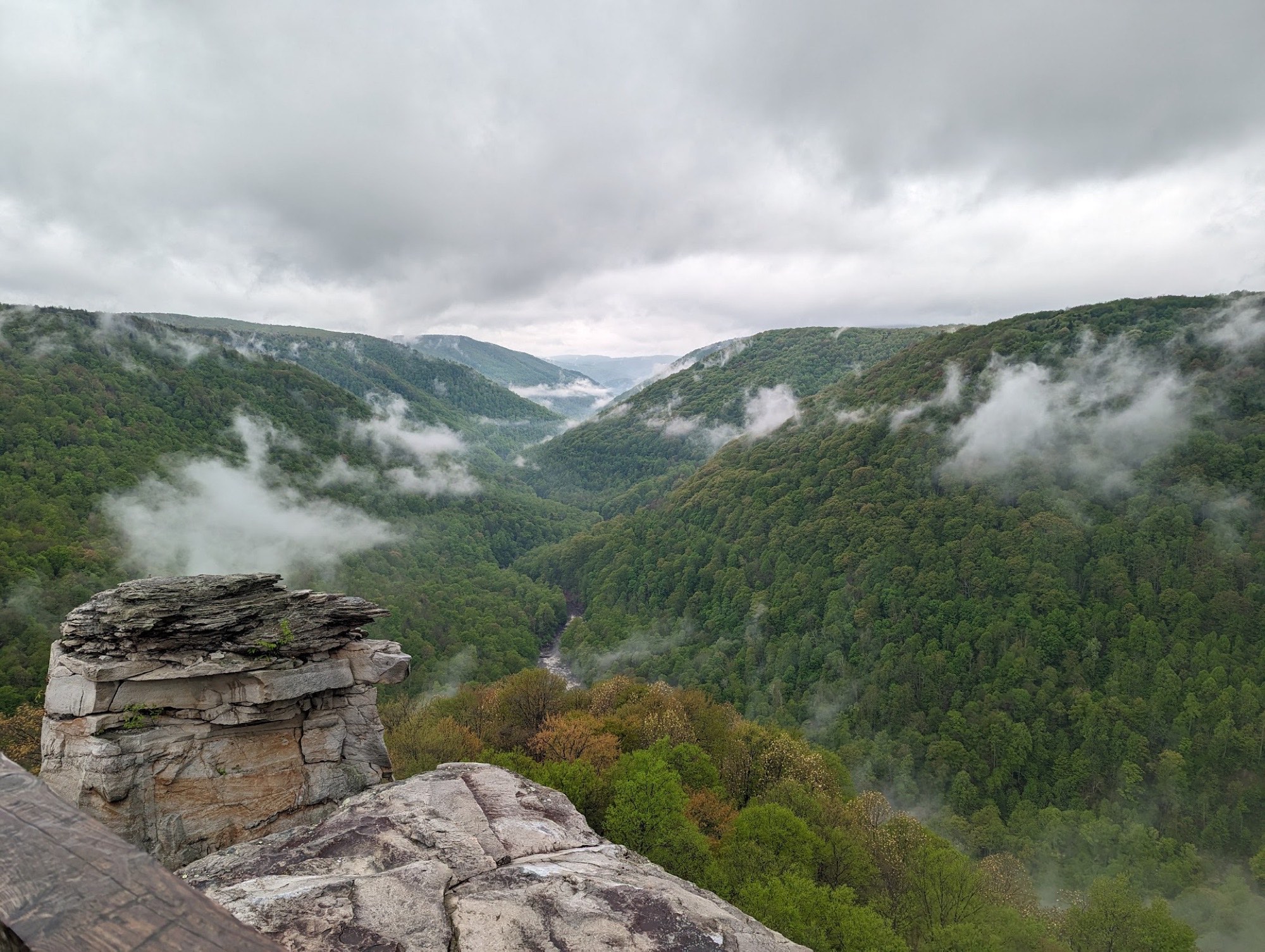
A short trail in Blackwater Falls State Park leading to a dramatic sandstone outcrop above the Blackwater Canyon. The overlook sits 300 feet above the river with views down the canyon and across to the Allegheny Highlands. Quiet at sunrise; popular at sunset for a reason.
Seneca Rocks Trail
A quartzite fin rising 900 feet above the North Fork Valley. The trail switchbacks up through hardwood forest to a viewing platform near the summit, with the dramatic ridge of Seneca Rocks above and the valley spread out below. A climber’s mecca, but the hike alone is worth the trip.
Beyond the Gorge
A few more places worth a day in southern West Virginia.
Babcock State Park
Known for the iconic Glade Creek Grist Mill, Babcock also has a network of quiet trails through hemlock groves and along mountain streams. It’s a great option for a more relaxed half-day hike with plenty of photo opportunities.
Visit official site →
Hawk’s Nest State Park
Perched on the rim of the New River Gorge, Hawk’s Nest offers dramatic overlooks and a tramway that descends to the river below. Short trails wind along the canyon edge with views that rival anything in the region.
Visit official site →
Bluestone State Park
Situated where the Bluestone River meets Bluestone Lake, this park features wooded trails along the water and through rolling hillsides. It’s a quieter alternative with excellent opportunities for wildlife observation.
Visit official site →
Grandview
True to its name, Grandview delivers sweeping panoramas of the New River Gorge from high above. Rhododendron-lined trails lead to multiple overlooks, and the park’s location in the southern end of the gorge offers a different perspective from the more visited northern sections.
Visit official site →
Gauley River National Recreation Area
Known for world-class whitewater, the Gauley River also offers quieter trails along its banks and through the surrounding hills. The river canyon is dramatic and less visited than the New River Gorge, making it a great option for hikers looking for solitude and rugged Appalachian scenery.
Visit official site →
The Land and Its People
The mountains and river valleys we hike are the ancestral homelands of Indigenous nations who lived along the New River and across these ranges for thousands of years before European contact.
Whose Homelands
Among the peoples with deep ties to this region: the Moneton, who lived in villages along the New River in the 17th century; the Shawnee, who used the gorge as a major travel and hunting corridor; the S’atsoyaha (Yuchi), Tutelo, and Cherokee. Earlier still, the Adena mound-building culture left earthworks across what is now West Virginia.
The New River
The New River is older than the Appalachian Mountains themselves, one of the oldest rivers on Earth. Long before European maps, it was a corridor between peoples on both sides of the range, used for trade, seasonal travel, and gathering.
How We Walk Here
We’re not the right voice to tell these stories, but we try to know enough to walk respectfully, and to point our guests toward Indigenous-led museums, cultural centers, and resources where the story is told by the people who live it.
For more on the peoples of this region and resources to learn from, see The Land and Its People.
What to Expect
The Landscape
Lush deciduous forest, sandstone cliffs, river valleys, and mountain ridges. Spring brings wildflowers and migrating warblers. Fall brings some of the best foliage color in the eastern United States.
Wildlife
White-tailed deer, wild turkey, black bears, red-tailed hawks, and a rich diversity of songbirds. We move quietly and often spot animals that larger groups walk right past.
History
Southern West Virginia carries a deep coal mining history. Many of our trails pass through landscapes shaped by that industry - old rail grades, mine sites, and company towns being slowly reclaimed by the forest.
Seasons
We guide in Appalachia primarily in spring and fall when temperatures are comfortable and the forest is at its most dramatic. Summer hikes are available but tend to be warmer and more humid.
Ready to explore? Check our packing list for what to bring, then get in touch and we’ll put together an itinerary that fits your group.
Sample Itineraries
Every trip is tailored to your group, but here are a few of our favorite combinations to give you a sense of what a day looks like.
Grandview Day Hike
- Castle Rock Trail
0.7 mi · Easy
Start with a short boardwalk walk to a stunning gorge overlook to warm up and get your bearings.
- Grandview Rim Trail
2.8 mi · Easy–Moderate
Walk through rhododendron tunnels along the rim with sweeping panoramas of the New River’s horseshoe bend.
- Turkey Spur Trail
3.2 mi · Moderate
Continue from the same trailhead out to Turkey Spur Rock, climbing 150 steps to a dramatic overlook high above the gorge.
Full-Day Explorer
- Long Point Trail
3.2 mi · Easy
Morning hike through wildflower-filled forest to the iconic view of the New River Gorge Bridge.
- Kaymoor Miners Trail
2 mi · Moderate–Hard
After a lunch break, descend 800 steps to explore the ruins of a historic coal mining operation.
- Endless Wall Trail
2.4 mi · Easy
Finish the day with a rim walk along sandstone cliffs as the afternoon light hits the gorge.
Full-Day Fayetteville
- Endless Wall Trail
2.4 mi · Easy
Start the morning on the gorge rim with sweeping views and quiet forest.
- Long Point Trail
3.2 mi · Easy
A midday walk through wildflower-filled woods to the iconic view of the New River Gorge Bridge.
- Burnwood Loop
2 mi · Easy
Wind down with a gentle loop through meadows, perfect for birding in the late afternoon light.
These are just starting points. We’re happy to build a custom itinerary from scratch or modify any of these to match your group’s pace, interests, and fitness level. Get in touch and we’ll plan something that fits.
Other Things to See
When you’re not on the trail, there’s plenty to see and do in southern West Virginia.
Bridge Day
Every third Saturday in October, the New River Gorge Bridge closes to traffic and opens to pedestrians, BASE jumpers, and rappellers. It’s the largest single-day festival in West Virginia and the only day of the year you can walk across the bridge. If your trip falls in October, it’s not to be missed.
Third Saturday in OctoberVisit official site →
Exhibition Coal Mine
Descend 1,500 feet into a real coal mine beneath the city of Beckley. Retired miners lead the tour, sharing firsthand stories of what life was like underground. It’s a powerful complement to the mining history you’ll see on trails like the Kaymoor Miners Trail.
Year-RoundVisit official site →
Tamarack
A marketplace and cultural center right off the turnpike in Beckley showcasing the best of West Virginia: handcrafted art, Appalachian food, and work from artisans across the state. A great stop on the way in or out of the gorge.
Open DailyVisit official site →